

Choosing the right exterior and interior building materials is essential for balancing architectural appearance, structural performance, durability, and project costs. Aluminum Composite Panel (ACP) has become a popular solution for commercial buildings, curtain walls, signage, and interior decoration because of its lightweight sandwich structure, versatile surface finishes, and convenient fabrication. However, not every ACP product offers the same performance. Core materials, aluminum skin thickness, protective coatings, fire classifications, and installation methods all influence the final result. This guide explains how aluminum composite panels work, their major advantages, available types, common applications, and the factors buyers should evaluate before placing an order. It also provides practical advice to help contractors, architects, distributors, and project purchasers select suitable panels for their specific requirements.

Table of Contents
- Introduction: The Growing Demand for Aluminum Composite Panels
- What Is an Aluminum Composite Panel?
- How Does Its Structure Affect Performance?
- What Are the Main Advantages of ACP?
- What Types of Aluminum Composite Panels Are Available?
- Where Can Aluminum Composite Panels Be Used?
- How Can Buyers Choose the Right ACP?
- What Should Buyers Know About Fire Safety?
- How Should ACP Be Installed and Maintained?
- What Factors Influence the Cost of ACP?
- How Can You Identify a Reliable ACP Supplier?
- Frequently Asked Questions
- Conclusion
This guide follows the complete purchasing journey: understanding the material and its construction, comparing product types, evaluating performance and safety, planning installation, calculating project costs, and selecting a dependable manufacturing partner.
1. Introduction: The Growing Demand for Aluminum Composite Panels
Modern architecture requires materials that can deliver more than an attractive appearance. Building owners and construction professionals increasingly look for solutions that combine durability, design flexibility, manageable installation requirements, and long-term value.
Traditional materials such as solid aluminum, natural stone, glass, and wood each have their own advantages. However, they may also involve challenges related to weight, fabrication, transportation, maintenance, or budget limitations. This is one reason why Aluminum Composite Panel has gained popularity across the global construction and advertising industries.
ACP provides a practical combination of metallic appearance, a lightweight structure, and customizable finishes. From modern commercial facades to retail signage and interior wall decoration, it supports a wide range of architectural and visual design requirements.
Nevertheless, selecting an appropriate panel requires more than comparing colors and prices. Buyers need to understand the differences in core materials, aluminum thickness, coating technologies, and product certifications. Making an informed decision at the beginning can help prevent unnecessary replacement costs and performance problems later.
2. What Is an Aluminum Composite Panel?
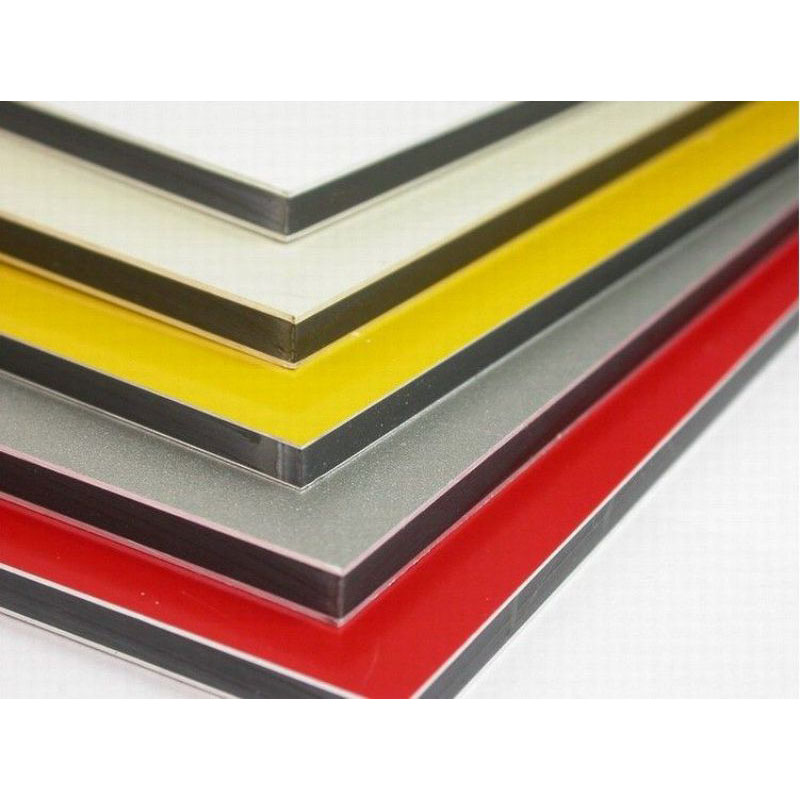
An Aluminum Composite Panel, commonly known as ACP or ACM (Aluminum Composite Material), is a flat sandwich-structured panel generally manufactured by bonding two thin aluminum sheets to a central core material.
The combination creates a relatively lightweight panel with a smooth surface, good dimensional stability, and convenient processing characteristics. Depending on its construction and specifications, it can be used for decorative, advertising, and architectural purposes.
Basic Components of an ACP
A typical aluminum composite panel consists of several functional layers:
- Front aluminum skin: Provides the visible decorative surface and contributes to the panel's rigidity and resistance to environmental exposure.
- Core material: Forms the central layer between the aluminum sheets. It may use polyethylene-based material or mineral-filled fire-retardant compositions.
- Bonding layer: Connects the aluminum skins with the core to maintain the integrity of the composite structure.
- Surface coating: Protects the exterior surface and determines important characteristics such as color retention, gloss, and weather resistance.
- Back coating: Provides additional protection to the reverse side and supports the overall product construction.
The exact composition varies by manufacturer and product grade. Therefore, buyers should always request technical specifications rather than assuming that all ACP products share identical properties.
3. How Does Its Structure Affect Performance?
The sandwich construction is one of the defining features of aluminum composite panels. Each component contributes to the final performance, and small differences in material specifications can influence the panel's suitability for different projects.
Aluminum Skin Thickness
Aluminum skin thickness is an important factor when evaluating panel quality and application suitability. Thicker aluminum skins generally provide greater resistance to certain forms of deformation and offer more material for fabrication.
However, thicker skins are not automatically the best solution for every project. Advertising displays and indoor decorative installations may have different requirements from large exterior cladding systems.
Core Material Composition
The core determines several important characteristics, including weight, rigidity, and fire-related performance. Standard PE cores are commonly used for general decorative applications, while mineral-filled fire-retardant cores are available for projects with more demanding fire-safety requirements.
Coating and Surface Protection
Coatings protect aluminum surfaces against environmental exposure, discoloration, and everyday wear. The appropriate coating depends on whether the panel will be installed indoors, outdoors, or in an environment with specific chemical or weather-related challenges.
When comparing ACP products, evaluate the complete construction rather than looking at the total panel thickness alone. Aluminum skin thickness, core composition, coating quality, and bonding performance should all be considered together.
4. What Are the Main Advantages of Aluminum Composite Panel?
ACP has become an established material choice because it addresses several common challenges faced by architects, contractors, sign manufacturers, and building material distributors.
4.1 Lightweight Construction
Compared with many traditional solid cladding materials, aluminum composite panels offer a relatively lightweight construction. This can simplify transportation, handling, cutting, and installation planning.
For large commercial projects, manageable panel weight can also help reduce certain material-handling demands. Nevertheless, the complete supporting structure must still be designed according to the applicable engineering requirements.
4.2 Excellent Design Flexibility
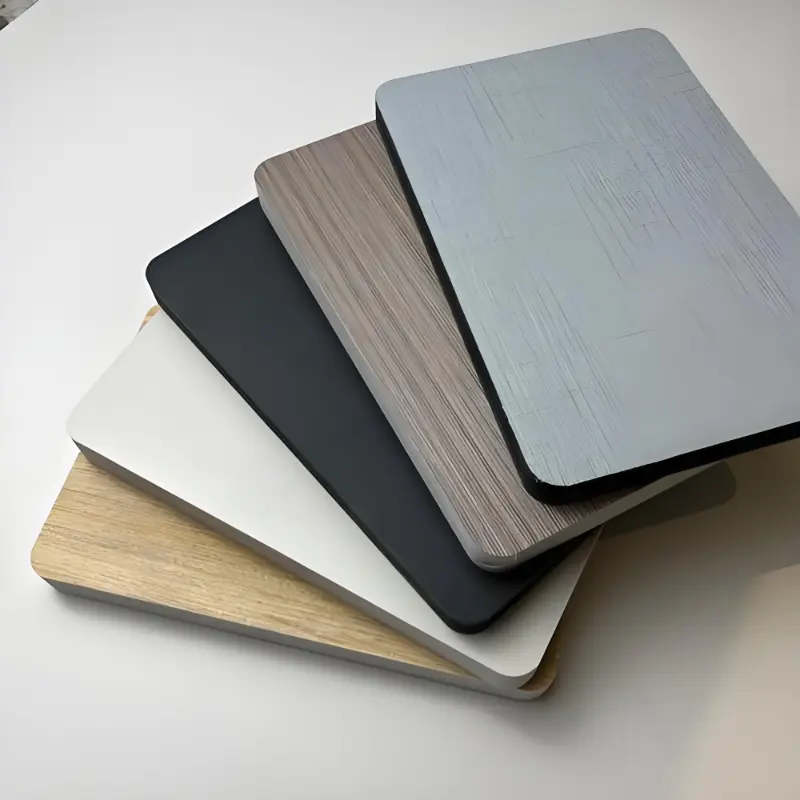
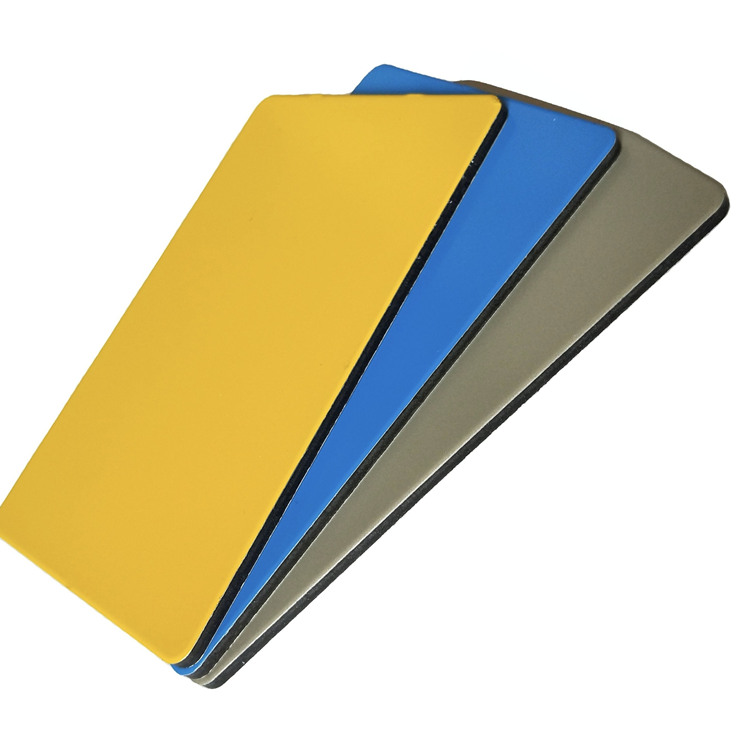
ACP is available in a wide variety of colors, textures, and surface finishes. Architects can choose metallic, solid-color, mirror, brushed, wood-grain, or other decorative appearances to complement different building styles.
This flexibility makes it easier to maintain consistent visual themes across exterior facades, entrance areas, interior walls, and commercial displays.
4.3 Weather and Corrosion Resistance
With an appropriate coating system and correct installation, aluminum composite panels can withstand many common outdoor environmental conditions. PVDF-coated products are frequently selected for exterior applications because of their weathering and color-retention characteristics.
Actual service life depends on coating specifications, environmental exposure, maintenance, and installation quality. Coastal environments, industrial pollution, and intense sunlight may require additional consideration.
4.4 Convenient Fabrication
ACP can generally be processed through cutting, routing, grooving, bending, and other fabrication techniques using suitable equipment. This allows manufacturers and installers to create flat panels, decorative shapes, folded edges, and customized architectural details.
4.5 Relatively Low Maintenance Requirements
Compared with certain traditional decorative materials, properly selected ACP can be relatively easy to maintain. Routine cleaning with suitable non-abrasive products helps preserve its surface appearance and remove accumulated dust and dirt.
4.6 Cost-Effective Project Planning
The combination of material weight, processing convenience, and decorative versatility can make ACP an economical option for many projects. However, the most suitable product should be selected according to its expected service conditions rather than simply choosing the lowest initial quotation.
5. What Types of Aluminum Composite Panels Are Available?
ACP products can be classified according to core composition, surface coating, and decorative treatment. Understanding these categories helps buyers identify products that match their actual project requirements.
5.1 Classification by Core Material
| Panel Type | Main Characteristics | Typical Applications |
|---|---|---|
| PE Aluminum Composite Panel | Polyethylene-based core, lightweight construction, commonly used for general decorative purposes. | Indoor decoration, advertising boards, signage, and suitable general-purpose applications. |
| Fire-Retardant ACP | Uses a fire-retardant core formulation, often incorporating mineral fillers. | Building projects with specific fire-performance requirements. |
| A2-Grade ACP | Uses a specially engineered mineral core designed to achieve the applicable A2 reaction-to-fire classification. | Projects requiring high levels of reaction-to-fire performance, subject to local regulations. |
It is important to distinguish between PE, fire-retardant, and A2-grade products. Their core compositions and fire-test results are not interchangeable.
5.2 Classification by Surface Coating
| Coating Type | Key Features | Recommended Uses |
|---|---|---|
| PE Coating | Decorative finish with a broad range of colors and economical options. | Interior decoration and selected general applications. |
| PVDF Coating | Enhanced weathering performance and color retention. | Exterior architectural cladding and building facades. |
| Mirror Finish | Reflective appearance that creates a modern decorative effect. | Interior decoration, retail displays, and commercial spaces. |
| Wood Grain Finish | Decorative wood-like patterns without using solid natural wood. | Interior walls, decorative facades, and furniture-related applications. |
| Brushed Finish | Linear metallic texture with a sophisticated industrial appearance. | Commercial interiors, signage, and decorative panels. |
5.3 Decorative and Customized ACP Options
Beyond standard colors and coatings, manufacturers can offer different visual effects to support specific design concepts. Popular options include:
- Silver and gold aluminum composite panels.
- Matte and high-gloss decorative surfaces.
- Wood-grain and stone-grain patterns.
- Brushed metallic and mirror finishes.
- Customized colors and panel dimensions.
For buyers managing multiple projects, customized finishes can help maintain brand consistency and meet different architectural specifications.
6. Where Can Aluminum Composite Panels Be Used?
One of the biggest advantages of ACP is its versatility. Different product grades and finishes support a wide range of commercial, architectural, and decorative applications.
6.1 Building Facades and Curtain Wall Decoration
Exterior cladding is one of the most recognized applications of aluminum composite panels. Their flat appearance, color variety, and fabrication flexibility allow architects to create contemporary building exteriors.
For outdoor projects, buyers should pay particular attention to coating durability, aluminum skin thickness, core composition, wind-load requirements, and local building regulations.
6.2 Interior Wall and Ceiling Decoration
ACP can be used in commercial interiors, shopping centers, office buildings, hotels, exhibition halls, and other spaces. Its range of decorative finishes provides designers with alternatives to conventional wall materials.
6.3 Advertising and Signage
Advertising manufacturers frequently use ACP for billboards, shop signs, display stands, and promotional structures. Its relatively flat surface and convenient fabrication make it suitable for producing professional-looking signage.
6.4 Retail and Commercial Displays
Retail stores, showrooms, and exhibition spaces often require materials that can support customized shapes and consistent visual branding. ACP provides a practical solution for decorative panels, display backgrounds, and branded installations.
6.5 Industrial and Special Decorative Projects
Depending on the product specification, ACP can also be incorporated into equipment enclosures, decorative partitions, and other non-structural applications. Its suitability should always be evaluated against the environmental and mechanical requirements of the intended use.
7. How Can Buyers Choose the Right ACP?
For importers, contractors, architects, and distributors, choosing an appropriate aluminum composite panel is an important purchasing decision. A product that looks attractive in a sample may not necessarily meet the technical requirements of a completed project.
The following factors provide a practical evaluation framework.
Step 1: Define the Application Environment
Start by identifying where the panels will be installed. Indoor decorative projects, exterior facades, advertising boards, and high-rise building applications require different product characteristics.
Step 2: Confirm Core Material Requirements
Determine whether a standard PE core, fire-retardant core, or mineral-based A2 core is required. For regulated building applications, consult the project fire engineer and applicable building codes before ordering.
Step 3: Check Aluminum Skin Thickness
Request the actual thickness of each aluminum skin rather than relying solely on the overall panel thickness. Compare the specifications with the intended fabrication method and structural design.
Step 4: Select the Appropriate Coating
For exterior applications, consider PVDF or another coating system that meets the project's weathering requirements. PE coatings may be suitable for many interior decorative applications, depending on the intended service conditions.
Step 5: Evaluate Fabrication and Installation Compatibility
Confirm that the selected panels can be processed using the equipment and installation methods available to your project team. Check cutting, routing, folding, fixing, and joint requirements in advance.
Step 6: Compare Samples and Technical Documents
Request physical samples to evaluate color consistency, surface appearance, thickness, and workmanship. Review technical data sheets and relevant test reports before confirming a bulk order.
- Application and installation environment clearly defined.
- Overall panel thickness confirmed.
- Individual aluminum skin thickness specified.
- Core composition and fire classification verified.
- Coating type and color requirements confirmed.
- Relevant technical data sheets and test reports provided.
- Panel dimensions and fabrication requirements checked.
- Packaging, delivery schedule, and order quantity agreed.
- After-sales support and quality responsibilities clarified.
8. What Should Buyers Know About Fire Safety?
Fire safety is one of the most important considerations when selecting aluminum composite panels for building projects. Not all ACP products have the same reaction-to-fire performance, and a decorative panel should never be assumed to be fire-safe simply because its outer skins are aluminum.
The core material plays a significant role in determining how a panel performs under fire exposure. Standard PE cores and mineral-filled fire-retardant cores have different compositions and performance characteristics.
Understanding Common Fire Classifications
- EN 13501-1: A European classification system for the reaction-to-fire performance of construction products. Classifications such as A2-s1,d0 and B-s1,d0 indicate different performance levels.
- ASTM E84: A test method that evaluates surface burning characteristics, including flame spread and smoke development indices.
- NFPA 285: A fire test method for evaluating fire propagation characteristics of certain exterior wall assemblies containing combustible components.
These standards evaluate different aspects of fire performance. Passing one test does not automatically mean that a panel or complete facade system meets every other fire-safety requirement.
Why Project-Specific Verification Matters
For high-rise buildings, public facilities, and other regulated projects, buyers should request test reports that correspond to the actual product construction. Aluminum thickness, core composition, joint details, insulation, fixing systems, and installation configurations may all affect compliance.
Always verify the validity and scope of certificates and reports with the manufacturer or an accredited testing organization. The final selection should comply with the applicable local building codes and approved facade-system specifications.
9. How Should ACP Be Installed and Maintained?
Even a high-quality aluminum composite panel may experience performance problems if it is incorrectly fabricated or installed. Proper handling and installation are essential for achieving a clean appearance and reliable long-term performance.
Important Installation Considerations
- Prepare the supporting structure: Ensure that the substrate and support framework meet the project's engineering requirements.
- Check panel dimensions: Verify measurements and fabrication drawings before cutting or routing.
- Use appropriate fabrication tools: Follow the manufacturer's recommended procedures for cutting, grooving, and bending.
- Allow for thermal movement: Aluminum expands and contracts with temperature changes, so suitable joint and fixing details are necessary.
- Protect panel surfaces: Handle panels carefully to avoid scratches, dents, and coating damage during transportation and installation.
- Follow the approved fixing system: Select suitable fasteners, brackets, sealants, and installation details for the specific project.
Routine Cleaning and Maintenance
Regular inspection and appropriate cleaning can help maintain the panel's decorative appearance. A simple maintenance routine may include:
- Removing dust and loose dirt with clean water.
- Using mild, compatible cleaning solutions when necessary.
- Avoiding abrasive tools and aggressive chemical cleaners.
- Inspecting joints, sealants, and fixing components periodically.
- Repairing damaged protective surfaces according to manufacturer recommendations.
Cleaning frequency should be adjusted according to the installation environment. Buildings in coastal or industrial areas may require more frequent inspection and maintenance.
10. What Factors Influence the Cost of ACP?
Aluminum composite panel prices vary according to material specifications, manufacturing processes, order quantities, and delivery requirements. Comparing quotations without checking the underlying specifications can lead to misleading purchasing decisions.
The following factors generally influence the total procurement cost:
| Cost Factor | How It Affects Pricing |
|---|---|
| Aluminum Skin Thickness | Different aluminum specifications change raw material consumption and panel construction costs. |
| Core Material | Standard and specialized fire-retardant cores have different material and production requirements. |
| Coating Technology | PVDF, PE, mirror, and customized decorative finishes may have different processing costs. |
| Panel Dimensions | Custom widths, lengths, and thicknesses may affect production planning and material utilization. |
| Order Quantity | Bulk purchasing may improve production efficiency and shipping arrangements, depending on the order. |
| Packaging and Transportation | Export packaging, shipping distance, freight rates, and delivery terms influence the final landed cost. |
For international buyers, the total landed cost is more useful than the factory unit price alone. It should include product costs, packaging, transportation, customs duties where applicable, and other project-related expenses.
Requesting a detailed quotation with clearly defined specifications makes it easier to compare suppliers and avoid unexpected changes during production.
11. How Can You Identify a Reliable ACP Supplier?
Choosing a dependable supplier is just as important as selecting the right product. Consistent material quality, accurate specifications, reliable communication, and timely delivery all contribute to a successful procurement process.
Evaluate Manufacturing Experience
Review the supplier's business history, product range, production capabilities, and experience serving international customers. A supplier with established experience in building and graphic materials may be better equipped to understand different purchasing requirements.
Check Product Quality and Documentation
Ask for product samples, technical data sheets, relevant test reports, and available quality certifications. Make sure the documents match the specific panel grade being quoted.
Confirm Customization Capabilities
International projects frequently require customized sizes, colors, surface finishes, packaging, and product specifications. A supplier with flexible OEM and ODM capabilities can help buyers address these requirements more efficiently.
Assess Communication and Delivery Support
Clear communication is particularly important for international transactions. Buyers should confirm production lead times, sample arrangements, packaging details, shipping methods, and after-sales procedures before placing an order.
Qingdao Be-Win Industrial & Trade Co., Ltd. is a manufacturer and supplier of graphic and building materials, including aluminum composite panels, acrylic sheets, and PVC foam boards. Established in 2012 in Qingdao, China, the company serves customers in international markets and provides different ACP options for construction, interior decoration, and advertising applications.
Its aluminum composite panel product range includes PE aluminum composite panels, fireproof aluminum composite panels, PVDF aluminum composite panels, mirror aluminum composite panels, and wood-grain aluminum composite panels. These options allow buyers to consider different material constructions and decorative requirements when planning their projects.
For distributors, sign manufacturers, contractors, and building material importers, working with a supplier that offers multiple material options can simplify sourcing and product coordination.
12. Frequently Asked Questions About Aluminum Composite Panels
Q1: What is the standard thickness of an aluminum composite panel?
Common ACP products are available in different overall thicknesses, with 3 mm and 4 mm being widely used options. Aluminum skin thickness also varies according to product grade and intended application. Buyers should confirm both measurements before ordering.
Q2: Are aluminum composite panels suitable for outdoor use?
Yes. ACP products with suitable aluminum skins and weather-resistant coatings, such as PVDF finishes, are commonly used for exterior applications. Product selection should consider local climate, environmental exposure, and project specifications.
Q3: What is the difference between PE and PVDF aluminum composite panels?
The main difference is the coating system. PE-coated panels are commonly used for interior decoration and selected general applications, while PVDF-coated panels offer enhanced weathering and color-retention performance for exterior environments.
Q4: Are all aluminum composite panels fire-resistant?
No. Different ACP products use different core materials and have different fire-performance characteristics. Standard PE-core panels should not be treated as equivalent to tested fire-retardant or mineral-core panels. Always request relevant fire-test documentation.
Q5: Can aluminum composite panels be customized?
Yes. Many manufacturers offer customized panel dimensions, colors, thicknesses, and surface finishes. OEM and ODM services may also be available for specific project or branding requirements. Minimum order quantities and production lead times should be confirmed in advance.
Q6: What are the most common applications of ACP?
Common applications include building facade decoration, curtain wall cladding, interior walls, ceilings, advertising boards, retail displays, exhibition stands, and commercial signage.
Q7: How long do aluminum composite panels last?
The service life depends on aluminum skin thickness, core quality, coating performance, installation conditions, environmental exposure, and maintenance. There is no single lifespan applicable to every ACP product. Buyers should request product-specific warranty and durability information.
Q8: Are aluminum composite panels easy to process?
Yes. ACP can generally be cut, routed, grooved, bent, and fabricated using suitable equipment and techniques. However, the processing method should follow the manufacturer's recommendations to avoid damaging the aluminum skins or coating.
Q9: How should aluminum composite panels be cleaned?
Use clean water and a mild, compatible cleaning solution when necessary. Avoid abrasive brushes, harsh chemicals, and tools that could scratch the surface. Always follow the coating manufacturer's cleaning recommendations.
Q10: What documents should buyers request from an ACP manufacturer?
Useful documents include technical data sheets, product specifications, coating information, core material details, relevant fire-test reports, quality certificates, warranty information, and installation guidelines. The required documentation depends on the intended application and local regulations.
13. Conclusion: Making the Right ACP Investment
Aluminum composite panels offer a versatile combination of lightweight construction, decorative flexibility, convenient fabrication, and practical performance for a wide range of architectural and commercial projects. Their applications extend from building facades and interior decoration to advertising displays and customized signage.
However, the quality and suitability of ACP depend on more than its appearance. Core composition, aluminum skin thickness, coating technology, bonding quality, fire-performance documentation, and installation conditions all deserve careful attention.
For architects, contractors, distributors, and international importers, the best purchasing decision begins with clearly defined project requirements and a thorough evaluation of supplier capabilities. Comparing products based on complete specifications rather than price alone can help reduce procurement risks and support long-term project value.
Looking for a Reliable Aluminum Composite Panel Supplier?
Choosing the right ACP product can make a significant difference to your building, advertising, or interior decoration project. Qingdao Be-Win Industrial & Trade Co., Ltd. provides a range of aluminum composite panel solutions, including PE, PVDF, fireproof, mirror, and wood-grain panels to meet different application and design requirements.
Whether you are sourcing materials for a construction project, expanding your building materials distribution business, or looking for customized panel solutions, our team is ready to discuss your requirements.
Contact us today to request product specifications, explore available finishes, and receive a quotation for your next project.