
If you’re sourcing materials for a project that demands clarity, durability, and reliability, you’ve likely found yourself comparing two popular options: the Transparent PMMA Sheet and Polycarbonate. I hear this question from engineers, designers, and fabricators daily. Both are excellent transparent plastics, but choosing the wrong one can lead to cost overruns, product failure, and frustrated clients. At Be-Win, we specialize in manufacturing high-performance Transparent PMMA Sheet, and through years of hands-on experience, I’ve helped countless customers navigate this exact choice. Let’s break down the key differences to solve your selection puzzle.
What Are the Core Material Properties
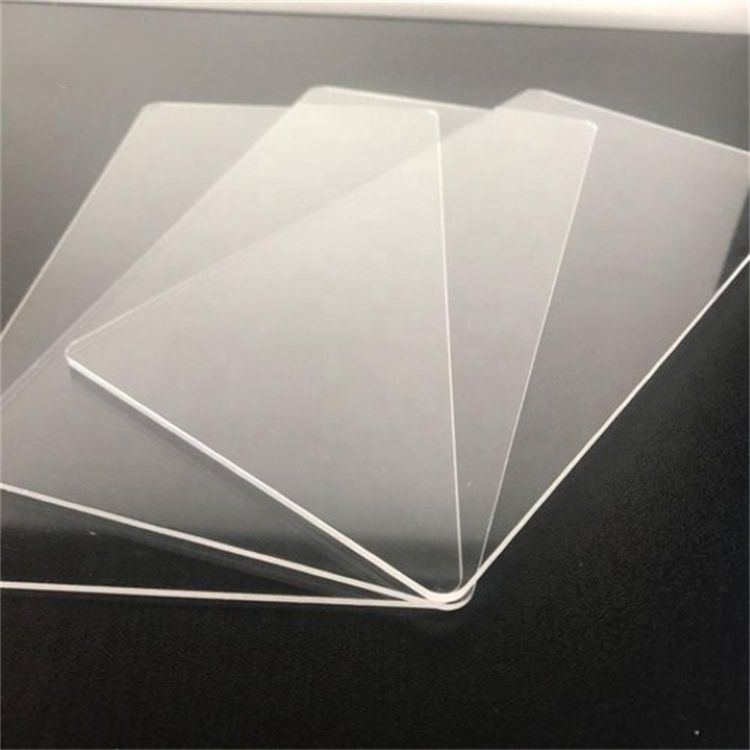
Fundamentally, this choice is a trade-off between ultimate optical clarity/unwavering weatherability and supreme impact strength. Transparent PMMA Sheet, also known as acrylic, is a glass-like polymer. Its brilliance is its standout feature. Polycarbonate (PC), on the other hand, is virtually unbreakable but can yellow over time when exposed to UV light unless specially coated.
How Do Their Technical Parameters Compare
Let’s get technical. Here is a side-by-side comparison of critical parameters for standard grades, based on our Be-Win production standards and industry data.
| Property | Transparent PMMA Sheet | Polycarbonate Sheet |
|---|---|---|
| Light Transmittance | Up to 92% | Typically 88% |
| Impact Strength (Izod, J/m) | 15-20 | 600-850 |
| Surface Hardness | High (Resists scratching) | Lower (Prone to scratching) |
| Continuous Service Temp | 70-80°C | Approx. 120°C |
| UV Resistance (Uncoated) | Excellent (Inherently stable) | Poor (Tends to yellow) |
| Density (g/cm³) | 1.19 | 1.20 |
Why Choose a Transparent PMMA Sheet for Your Application
So, when does the Transparent PMMA Sheet become the clear winner? Ask yourself these questions:
Is optical purity and long-term gloss retention the top priority, as it is for museum displays, luxury retail signage, or high-end lighting covers?
Does your project, like a skylight or outdoor facade panel, require a material that won’t yellow or become brittle after years under the sun?
Do you need a material that is easier to thermoform, polish, and fabricate to achieve complex, sharp-edged designs?
If you answered yes, then a Transparent PMMA Sheet is engineered for your success. Its balance of clarity, weather resistance, and formality is unmatched. This is precisely why we at Be-Win have refined our formulation and casting process to produce a Transparent PMMA Sheet that excels in these demanding environments.
When Is Polycarbonate the Necessary Choice
Polycarbonate is your non-negotiable choice for applications where safety from impact is paramount. Think ballistic-resistant barriers, vandal-prone glazing, or protective machine guards. Its incredible toughness comes with trade-offs: it scratches easily and requires a UV-protective coating to maintain clarity outdoors, which adds cost and can wear over time.
Can You Get the Best of Both Worlds with Be-Win
This is a common pain point I address. Clients want the beauty of acrylic but need more strength. While a standard Transparent PMMA Sheet may not match polycarbonate’s raw impact, Be-Win offers modified and multi-layer composite sheets that significantly enhance impact resistance while preserving the superb surface hardness and UV stability that define a premium Transparent PMMA Sheet. It’s a sophisticated hybrid solution for projects that refuse to compromise.
Ready to Specify the Perfect Material for Your Project
Choosing between these materials isn’t just about data sheets; it’s about understanding your project’s unique pressures—environmental, mechanical, and aesthetic. I invite you to leverage our expertise. Contact us at Be-Win today with your specific requirements. Let’s discuss how our high-performance Transparent PMMA Sheet can bring clarity, durability, and value to your next venture. Send us your inquiry, and our technical team will provide tailored recommendations and samples.